
Tackling the NHS Backlog: How Voice Technology Can Help
Discover how technology can help reduce the nhs backlog and improve patient care. Learn about digital dictation and voice recognition solutions that can streamline administrative processes and free up valuable time for medical staff.
The NHS backlog is an ever-growing problem that can have serious implications for patient care. With increasing demand and limited resources, healthcare professionals are struggling to keep up with the demands of a growing population. Fortunately, technology provides us with solutions to help reduce the nhs backlog and improve patient care in today’s world. From voice recognition systems to document automation, there are now tools available which can streamline administrative processes and streamline many routine tasks – reducing waiting times for patients while freeing up valuable time for medical staff. In this blog post we’ll look at how these technologies work, their benefits for clinical staff as well as exploring ways they could be used to tackle the NHS backlog head on.
The NHS Backlog: What is it and How Can Technology Help?
The NHS backlog is a term used to describe the current situation of long waiting times and delays in providing care. It has been estimated that as of December 2022, 7.2 million people are on the waiting list for treatment, with many facing waits of more than 18 weeks for their appointment or procedure. This can have serious implications for patient health and wellbeing, as well as creating an unsustainable burden on healthcare providers.
Technology can help reduce this backlog by streamlining administrative processes and freeing up resources to focus on patient care. Voice recognition solutions offer a range of benefits to medical professionals, including improved accuracy when transcribing medical notes, increased efficiency through automated workflow processes, and reduced costs associated with manual transcription services.
Voice recognition solutions provide further opportunities to improve productivity by eliminating the need for manual data entry tasks such as entering information into electronic health records (EHRs). These systems use natural language processing technology to convert spoken words into text quickly and accurately – meaning that doctors can spend less time typing out notes or filling in forms, allowing them to focus instead on delivering quality patient care.
Automating administrative tasks also helps reduce the amount of paperwork generated within practices which can be both time-consuming and costly to manage manually – freeing up staff resources so they can be better utilised elsewhere in the practice. By automating mundane but essential tasks such as filing documents or scheduling appointments, GP’s are able to save valuable time while ensuring all important information is recorded correctly every time without any errors occurring due to human error or fatigue from overwork.
Ultimately, these technologies enable healthcare organisations across England’s National Health Service (NHS) system to not only reduce their backlog but also improve overall levels of patient care. This enables them to deliver faster diagnosis times and quicker access to treatments when needed urgently.
Key Takeaway: Dictation and voice recognition solutions can help reduce the NHS backlog by streamlining administrative processes, increasing accuracy when transcribing medical notes, eliminating manual data entry tasks and automating mundane but essential tasks. This frees up resources to focus on patient care while ensuring all important information is recorded correctly every time.
Improving Patient Care with AI Technology
Technology has the potential to revolutionise healthcare by improving patient care while reducing costs and wait times associated with the NHS backlog. In this blog post, we’ll discuss some of the ways technology can be used to improve patient outcomes while reducing costs for both patients and providers alike.
AI-driven analytics tools provide an extra layer of support when it comes to making informed decisions regarding patient care, something which could potentially save lives if done correctly. These advanced technologies allow healthcare providers access insights about how best serve their patients based on real-time data analysis rather than relying solely on intuition or guesswork when making decisions about treatments plans and interventions for individual cases.
By leveraging technology, healthcare providers can reduce the administrative burden on their staff while improving patient care. In the next section, we’ll look at how these solutions can streamline processes to help alleviate NHS backlogs.
Key Takeaway: Technology can be used to reduce the NHS backlog by streamlining administrative processes and freeing up resources. Digital dictation solutions, voice recognition software, automated workflows and AI-driven analytics tools are all helpful in improving patient care while reducing costs for both patients and providers alike.
Voice Recognition Solutions: Streamlining Administrative Processes
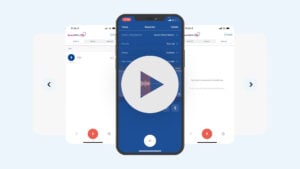
Voice recognition solutions are revolutionising the way healthcare professionals manage administrative tasks. By automating mundane processes, such as data entry and documentation, these tools can help free up resources to focus on patient care.
Clinical staff have long been bogged down by time-consuming administrative duties that take away from their ability to provide quality care for patients. Voice recognition technology offers a solution to this problem by reducing the amount of time spent on tedious paperwork. With voice recognition software, practice managers can quickly and accurately enter information into electronic health records (EHRs) without having to manually type out each document or form. This allows them to spend more time with patients instead of behind a desk filling out forms.
The accuracy of voice recognition solutions is also beneficial in improving patient safety and satisfaction levels. These systems use natural language processing algorithms which enable them to understand complex medical terminology and accurately transcribe dictated notes into EHRs with minimal errors or typos. This ensures that important information is not lost or miscommunicated between providers and patients, leading to better outcomes for everyone involved in the process.
In addition, voice recognition solutions offer improved security measures when it comes to protecting sensitive patient data from unauthorised access or misuse. The software utilises secure encryption protocols which prevent hackers from gaining access to confidential medical records stored within an EHR system while still allowing authorised personnel quick access when needed for treatment purposes.
Voice recognition solutions can help streamline administrative processes, enabling healthcare providers to spend less time on mundane tasks and more time focusing on providing quality care. Automating administrative tasks is the next step in reducing the NHS backlog.
Key Takeaway: Voice recognition solutions can help reduce the NHS backlog by automating mundane processes such as data entry and documentation, providing accurate transcription of dictated notes into EHRs, and utilising secure encryption protocols to protect patient data.
FAQs in Relation to NHS Backlog
How long is the wait for NHS UK?
The wait time for NHS UK varies depending on the type of service being requested. Generally, patients can expect to receive an appointment within 18 weeks from the date their referral is received by the hospital or clinic. However, some services may have shorter waiting times and others may take longer than 18 weeks. For urgent cases, priority access to healthcare services is available through GP referrals and other routes such as A&E departments. Patients should contact their local NHS trust for more information about specific wait times in their area.
How can I speed up my NHS waiting list?
The best way to speed up your NHS waiting list is by implementing digital dictation and voice recognition solutions. These technologies allow for faster document creation, transcription, and editing of medical records. This reduces the time spent on administrative tasks such as manually entering patient data into a system or typing out notes from a consultation. Furthermore, these solutions are designed to be user-friendly so that they can be easily adopted by practice managers with minimal training required. Ultimately, this leads to improved efficiency in managing patient information and quicker turnaround times for patients seeking care.
What is NHS crisis?
NHS crisis is a term used to describe the current state of the National Health Service (NHS) in England, which has been struggling with increasing demand and financial pressures. This has resulted in a lack of resources, staff shortages, long waiting times for treatments and services, and inadequate access to care. The NHS crisis is further compounded by an ageing population that requires more healthcare services than ever before. As such, it is essential for practice managers to find innovative solutions like digital dictation and voice recognition technology that can help reduce time spent on administrative tasks so they can focus their efforts on providing quality patient care.
Conclusion
In conclusion, technology can be a powerful tool in reducing the NHS backlog and improving patient care. Digital dictation solutions can streamline administrative processes, freeing up time for medical professionals to focus on providing quality care. Voice recognition solutions are also effective in automating administrative tasks, allowing GP’s to reduce the amount of paperwork they need to manage. By implementing these technologies into their workflow, healthcare providers can make sure that patients receive the best possible care without having to wait long periods of time due to an overloaded NHS system. With modern voice technology solutions, we have the potential to drastically reduce the NHS backlog and improve patient outcomes across all areas of healthcare.