
The Best Speech to Text Converter: A Comprehensive Guide
Speech to text conversion is revolutionising the way we communicate and interact with technology. It enables us to transcribe spoken words into written text, making it easier to record and process information.
The Best Speech to Text Converter: A Comprehensive Guide
Whether you are a student, professional, or someone with a disability, having access to accurate and efficient speech to text converters can greatly enhance your productivity and communication skills. In this comprehensive guide, we will explore the science behind speech recognition, the different types of speech to text converters available, key features to look for in a converter, and their potential uses in various domains.
Understanding Speech to Text Conversion
Speech to text conversion involves the transformation of spoken language into written text using automated software or tools. It is a complex process that relies on sophisticated algorithms and machine learning techniques. By analyzing the audio input, speech recognition systems attempt to identify and decipher individual words, sentences, and their meanings.
The Science Behind Speech Recognition
Speech recognition technology has come a long way, thanks to advancements in the fields of artificial intelligence and machine learning. The process begins with capturing audio signals through a microphone or other audio input devices. These signals are then converted into digital form and processed by the software. This includes converting the audio waves into a spectrogram, which represents the frequency and intensity of the sound over time.
Using statistical modeling and pattern recognition algorithms, the software identifies phonemes, which are the smallest units of sound in a language. It then combines these phonemes to form words and sentences. The recognition process involves comparing the incoming audio signals with pre-trained models that contain vast amounts of linguistic data. The models help the system to match the input with the most likely words and phrases.
Importance of Accurate Speech to Text Conversion
An accurate speech to text converter is essential for effective communication and productivity. It allows users to quickly document their thoughts, ideas, or notes without the need for typing. This is especially beneficial for individuals with physical disabilities or conditions that make typing difficult or impossible. Furthermore, accurate transcription of spoken content is crucial in domains such as legal, medical, and business, where precision and attention to detail are vital.
Accurate speech to text conversion also plays a significant role in improving accessibility. It enables individuals with hearing impairments to participate in conversations by converting spoken words into text in real-time. Additionally, it facilitates language learning by providing learners with a written transcript of spoken content, aiding in comprehension and pronunciation.
Moreover, speech to text conversion is not limited to just converting spoken words into written text. It can also include the recognition and conversion of other vocal elements, such as emotions and accents. This additional layer of analysis allows for a more nuanced understanding of the spoken content, providing valuable insights for various applications.
Furthermore, speech recognition technology continues to evolve and improve. Researchers are constantly working on enhancing the accuracy and efficiency of speech to text conversion systems. This involves refining algorithms, expanding linguistic databases, and incorporating contextual information to better understand and interpret spoken language.
Exploring Different Types of Speech to Text Converters
There are several types of speech to text converters available, each with its own strengths and limitations. Let’s take a closer look at some of the most common options:
Desktop Software Solutions
Desktop speech to text converters are powerful tools that offer advanced features and customization options. These software solutions can be installed on a computer and are capable of processing large amounts of data efficiently. They often provide additional functionalities such as voice command and control, allowing users to navigate through applications and dictate commands.
One key advantage of desktop software solutions is their ability to work offline, ensuring privacy and security for sensitive information. Users can also benefit from higher accuracy rates compared to online tools, as the software can leverage the processing power of the computer for more precise transcription.
Mobile Applications for Speech to Text
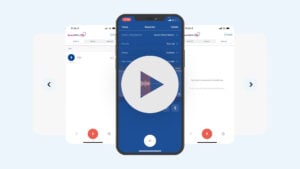
Mobile applications for speech to text conversion are tailored for smartphones and tablets. They offer convenience and portability, allowing users to transcribe their speech on the go. These apps are particularly useful for capturing quick notes, dictating emails or messages, or conducting interviews.
Additionally, some mobile speech to text apps come equipped with language translation features, enabling users to convert spoken words into different languages in real-time. This functionality can be valuable for travelers or individuals communicating with non-native speakers.
Online Tools and Platforms
Online speech to text tools and platforms are accessed through web browsers. They eliminate the need for installing software and are often free or offer affordable subscription plans. Online platforms generally offer a range of features, including real-time transcription, collaboration, and integration with other applications.
Moreover, online speech to text platforms are continuously evolving, with updates and improvements being rolled out regularly. Users can benefit from cloud storage options, allowing them to access their transcriptions from any device with internet connectivity. Collaboration tools, such as shared document editing, make it easier for teams to work together on transcribed content in real-time.
Key Features to Look for in a Speech to Text Converter
Choosing the right speech to text converter can be a daunting task, given the multitude of options available. Here are some key features to consider when selecting a converter:
Accuracy and Speed
The accuracy and speed of a speech to text converter significantly impact its usability. Look for converters that provide high accuracy rates and can process speech in real-time. Some converters even offer customizable accuracy settings, allowing you to prioritize speed or accuracy based on your specific needs.
Language Support
Consider the language support offered by the converter. Depending on your requirements, it is crucial to ensure that the converter can accurately transcribe speech in the desired language. Some converters support multiple languages, while others specialize in specific languages.
User Interface and Ease of Use
An intuitive user interface and ease of use are essential for a seamless experience. Look for converters that have a user-friendly design, allowing you to navigate the software effortlessly. Additionally, consider converters that offer customization options, such as the ability to create personalized dictionaries or voice profiles.
Potential Uses of Speech to Text Converters
Speech to text converters have a wide range of applications across various domains. Let’s explore some of the potential uses:
Accessibility for Individuals with Disabilities
Speech to text converters have transformed accessibility for individuals with hearing impairments. By converting spoken words into written text in real-time, these converters allow individuals to participate in conversations, lectures, and meetings without relying on sign language interpreters. They provide a level playing field for people with disabilities, empowering them to communicate effectively and access information without barriers.
Transcription Services
With the increasing demand for accurate and efficient transcription services, speech to text converters have become invaluable tools for professionals in fields such as journalism, research, and legal documentation. These converters eliminate the need for manual transcribing, saving time and effort. Some converters even offer additional features, such as timestamping and speaker identification, making them ideal for the transcription industry.
Voice Command and Control
Speech to text converters equipped with voice command and control functionalities are transforming the way we interact with technology. By using voice commands, users can navigate through applications, control smart devices, and perform various tasks without the need for manual input. This technology has found applications in smart homes, virtual assistants, and hands-free operation of devices, enhancing convenience and efficiency.
Speech to text conversion technology continues to evolve, offering tremendous potential in improving communication, accessibility, and productivity. Whether it’s for personal use or professional requirements, finding the best speech to text converter can greatly enhance your efficiency and effectiveness. By understanding the science behind speech recognition, exploring different types of converters, and considering key features, you’re well-equipped to make an informed decision. Embrace the power of speech to text converters today and unlock a new level of communication and productivity.