
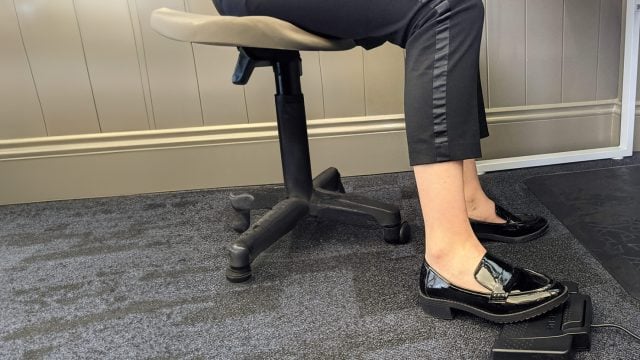
Understanding the Basics of a Footpedal
Before delving into the details of how footpedals work and their applications, it’s important to have a clear understanding of their definition and function.
A footpedal is a mechanical input device that allows individuals to control specific functions or operations by applying pressure or releasing pressure with their feet. It usually consists of one or more pedals that are connected to a device or system through a mechanical linkage or electrical connection.
The primary function of a footpedal is to provide an ergonomic and convenient way for users to operate devices or perform actions using their feet. By freeing up their hands, individuals can focus on other tasks or have quicker access to important controls.
But let’s dive a little deeper into the world of footpedals and explore the fascinating variety of types available, each designed for specific purposes and applications.
Different Types of Footpedals
There are several types of footpedals available, each designed for specific purposes and applications. Let’s take a closer look at some of the most common types:
- On/Off Footpedals: These footpedals have a simple binary function and are commonly used for tasks such as turning equipment on or off. For example, in the medical field, footpedals are often used to control the operation of surgical lights or dental chairs. With a simple press of the foot, the lights can be switched on or off, allowing medical professionals to focus on the task at hand without interrupting the flow of their work.
- Variable Control Footpedals: These footpedals offer a range of control, allowing users to adjust settings or parameters smoothly. They are commonly used in applications where precise control is required, such as video editing or gaming. Imagine being able to seamlessly control the speed of a video playback or the intensity of a gaming action with just a gentle press or release of your foot. Variable control footpedals make it possible.
- Expression Footpedals: Mostly used in the music industry, these pedals provide dynamic control over sound effects or modulation. Musicians can use these footpedals to add expression and creativity to their performances. For example, a guitarist can use an expression footpedal to control the intensity of a wah-wah effect, adding a unique touch to their playing style.
- Pedals with Multiple Functions: Some footpedals can perform multiple functions or switch between different modes, providing versatility and flexibility. These footpedals are often used in professional settings where users need to control various operations simultaneously. For instance, in transcription work, footpedals with multiple functions allow typists to control playback, rewind, and fast forward functions with ease, improving their efficiency and productivity.
As you can see, footpedals are not just simple devices; they are powerful tools that enhance productivity, convenience, and creativity across various industries. Whether it’s controlling equipment in a medical setting, fine-tuning settings in video editing, adding expression to music, or multitasking in transcription work, footpedals play a crucial role in making tasks more efficient and enjoyable.
The Anatomy of a Footpedal
To understand how a footpedal works and how its various components contribute to its functionality, let’s take a closer look at its anatomy.
Key Components and Their Roles
A typical footpedal consists of several key components, each playing a crucial role in its operation:
- Pedal: The pedal itself is the main part of the footpedal, which is pressed or released by the user’s foot to control a specific function.
- Linkage: The linkage connects the pedal to the device or system being controlled. It ensures that the movement of the pedal translates into the desired action.
- Sensors: In more advanced footpedals, sensors are used to detect the position or pressure applied to the pedal, providing feedback to the connected device or system.
The materials and design of these components can vary depending on the specific application and requirements of the footpedal.
Material and Design Considerations
When designing a footpedal, certain factors need to be taken into consideration, including the material used and the overall design:
- Durability: Footpedals are subjected to continuous pressure and movement, so they need to be constructed from durable materials that can withstand constant use.
- Ergonomics: The design of a footpedal should prioritize user comfort and ergonomics, ensuring that it can be operated easily and without strain.
- Sensitivity: Depending on the intended use, the sensitivity of a footpedal may need to be adjustable to suit the user’s preferences or the requirements of the connected device.
The Role of Footpedals in Various Industries
Footpedals find applications in diverse industries and play essential roles in facilitating specific operations or functions. Let’s explore some examples of how footpedals are utilized in different fields.
Footpedals in Music
In the realm of music, footpedals are widely used by musicians and performers to control various aspects of their instruments or sound systems. For example, guitarists often rely on footpedals to switch between different effects or to control volume and tone settings.
Footpedals in Healthcare
In healthcare settings, footpedals are commonly employed to control medical equipment during surgical procedures. Surgeons and nurses can use footpedals to adjust equipment settings, such as operating room lights, suction devices, or robotic surgical systems, without interrupting their workflow.
Footpedals in Transportation
Footpedals are crucial components in transportation systems, particularly in vehicles. The accelerator and brake pedals in cars, trucks, and motorcycles are examples of footpedals that allow drivers to control the speed and braking of their vehicles effortlessly.
How to Use a Footpedal
Using a footpedal is generally straightforward, but it’s essential to follow proper guidelines and safety precautions to ensure optimal performance and minimize accidents or injuries.
Basic Usage Instructions
Here are some basic steps to effectively use a footpedal:
- Position the footpedal on a stable surface where it won’t shift or slide during operation.
- Ensure that the pedal is easily accessible and within reach of your foot.
- Apply the desired amount of pressure to the pedal to initiate the desired action or function.
- Release the pressure from the pedal to stop or deactivate the function.
Safety Precautions and Tips
When using a footpedal, it’s crucial to keep the following safety precautions in mind:
- Be aware of your surroundings and the potential hazards that could arise from using the footpedal.
- Ensure that the footpedal is securely connected to the device or system to prevent accidental detachment.
- Avoid applying excessive force to the pedal, as this could lead to damage or malfunction of the footpedal or the connected device.
- Regularly inspect the footpedal for any signs of wear or damage, and replace or repair it as necessary.
Maintenance and Troubleshooting of Footpedals
Proper maintenance and troubleshooting practices can help prolong the lifespan of a footpedal and ensure its optimal performance.
Common Issues and Solutions
Here are a few common issues that may arise with footpedals and some possible solutions:
- Sticking Pedal: If the pedal becomes sticky or difficult to press, it may be due to dirt or debris accumulation. Cleaning the pedal mechanism or lubricating it with a suitable lubricant can often resolve this issue.
- Faulty Connection: If the footpedal fails to activate the desired function, check the connection between the pedal and the device it controls. Make sure the connection is secure and free from any loose or damaged wires.
- Inconsistent Sensitivity: If the footpedal’s sensitivity seems inconsistent or unpredictable, check for any loose sensor connections or adjust the sensitivity settings if applicable.
Tips for Prolonging Footpedal Lifespan
To extend the lifespan of a footpedal, consider the following tips:
- Clean the pedal regularly to remove any dirt or debris that could interfere with its operation.
- Avoid exposing the footpedal to excessive moisture or extreme temperatures, as this can lead to premature wear or damage.
- Store the footpedal in a safe and dry location when not in use to prevent accidental damage or unnecessary wear.
- Follow the manufacturer’s guidelines for maintenance, including any recommended lubrication or adjustment procedures.
By following these maintenance practices, you can ensure that your footpedal remains functional and reliable over an extended period.
In conclusion, footpedals are versatile and valuable devices used in various industries and applications. Their ability to provide hands-free control and enhance workflow efficiency makes them indispensable for many professionals. By understanding the basics of footpedals, their anatomy, usage guidelines, and maintenance practices, users can optimize their performance and prolong their lifespan, enabling seamless and convenient operation in their respective fields.